From Ruin to Grandeur: The Private Palaces Being Reborn as Havana's Most Coveted Addresses
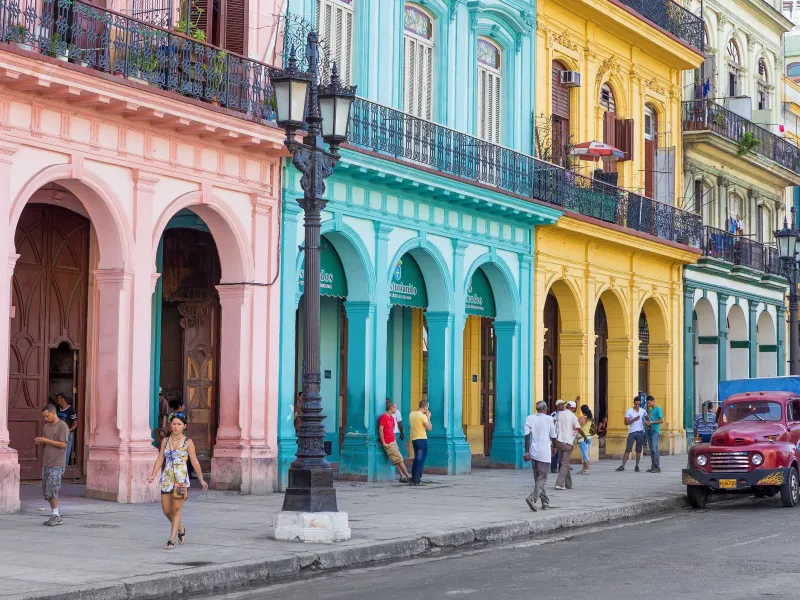
Photo: Havana colonial mansion restoration luxury courtyard architecture Cuba, via conasur.com
There is a particular quality of light in Old Havana that architects speak about with reverence — a warm, diffused luminescence that filters through interior courtyards and lands on cracked plaster walls with the patience of centuries. It is precisely this quality that restoration specialists are working to preserve as they undertake some of the most ambitious architectural rehabilitation projects currently underway anywhere in the Western Hemisphere.
Havana's colonial mansions — grand, weather-worn, and possessed of an almost theatrical beauty — are being reimagined as the city's most exclusive hospitality addresses. The process is neither quick nor inexpensive. But for the developers and preservationists steering these projects, the results are redefining what luxury accommodation can mean in the twenty-first century.
A City Built for Grandeur
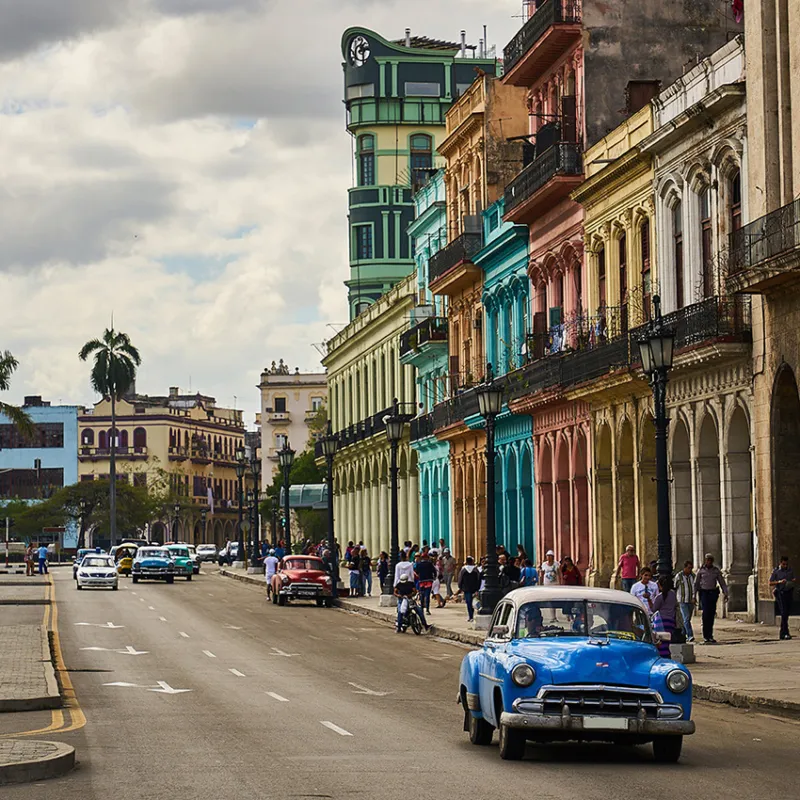
To understand the scale of what is being restored, one must first appreciate what was originally built. From the sixteenth through the nineteenth centuries, Havana attracted some of the most prosperous merchant families in the colonial Americas. Sugar wealth, tobacco fortunes, and the profits of transatlantic trade poured into the construction of palatial private residences across what is now known as Habana Vieja and the broader Vedado district.
These properties were built to impress. Soaring ceilings — some exceeding twenty feet — were engineered for tropical ventilation. Interior courtyards provided natural cooling and a sense of sequestered privacy. Elaborate ironwork balconies, hand-painted ceramic tile floors, and carved mahogany doorframes were not decorative afterthoughts but architectural statements of civic ambition.
Decades of deferred maintenance left many of these structures in a precarious state. Yet the bones, as preservationists are fond of observing, remained extraordinary.
The Architecture of Patience
Restoration work of this nature demands a discipline that is fundamentally at odds with the accelerated timelines of conventional hotel development. Specialists brought in to assess Havana's most significant residential properties describe a process of forensic investigation before a single wall is touched.
"You cannot approach a building like this with assumptions," explains one senior architectural conservator who has worked on multiple Havana rehabilitation projects. "Every layer of paint, every modification made over two or three centuries, tells you something essential about how the structure was intended to function and how it has adapted over time. The restoration must honor that accumulated intelligence."
This philosophy manifests in decisions that might seem counterintuitive to those accustomed to standard hospitality construction. Original tile floors, even those cracked or uneven, are repaired rather than replaced. Plasterwork bearing the marks of age is stabilized and preserved rather than smoothed over. Where modern systems — electrical, plumbing, climate control — must be integrated, they are routed with surgical precision to remain invisible.
The result is a category of accommodation that cannot be replicated. No newly constructed property, however lavishly appointed, can manufacture the sensory experience of sleeping beneath a ceiling painted by craftsmen two centuries before your birth.
Navigating Heritage Oversight
Havana's Office of the City Historian, the body responsible for overseeing preservation within the UNESCO-designated historic center, maintains rigorous standards for any structural intervention in protected zones. Developers seeking to convert historic properties into hospitality venues must navigate a review process that prioritizes authenticity over expediency.
This oversight, while demanding, has produced a body of restored work of exceptional quality. Properties that might elsewhere have been gutted and reconfigured beyond recognition retain their spatial logic, their material character, and their architectural soul. The hospitality experience is designed to inhabit the building's history rather than erase it.
For American travelers who have grown accustomed to the homogenized luxury of international hotel chains — where one property in Miami is effectively interchangeable with one in Dubai — this commitment to place-specific authenticity represents a genuinely different proposition.
What Guests Actually Experience
The practical hospitality experience within a restored Havana palace operates on a scale that larger properties cannot match. Guest counts are deliberately limited. Staff-to-guest ratios are generous. The architecture itself — with its discrete salons, shaded courtyards, and intimate dining rooms — naturally encourages a more personalized, unhurried rhythm.
Breakfast served in a tiled courtyard beneath bougainvillea. An evening cocktail on a wrought-iron balcony overlooking a cobblestone street that has changed little since the nineteenth century. These are not manufactured experiences but the organic consequences of occupying a building of genuine historical distinction.
Many properties are incorporating curated cultural programming that connects guests directly with the restoration process itself. Guided tours of ongoing conservation work, conversations with the craftspeople executing traditional techniques, and access to archival materials documenting a property's history have become signature offerings for the most thoughtfully managed boutique addresses.
The Investment Calculus
The financial logic underpinning these projects is as compelling as the cultural argument. As American interest in Cuba continues to evolve and the pool of US travelers seeking sophisticated, culturally substantive experiences grows more discerning, the supply of genuinely irreplaceable luxury accommodation remains acutely constrained.
A restored colonial palace, properly managed, occupies a market position that no new-build competitor can challenge. The scarcity is structural and permanent. There are only so many eighteenth-century mansions in Havana, and there will never be more.
For developers willing to invest the time, capital, and expertise that authentic restoration demands, the resulting properties command premium rates and cultivate the kind of guest loyalty that marketing budgets cannot buy.
A Living Inheritance
What is perhaps most striking about Havana's restoration renaissance is its refusal to treat the past as mere backdrop. The most accomplished projects understand that they are not simply converting buildings — they are accepting custodianship of living cultural artifacts.
The craftspeople executing traditional lime plaster techniques, the ironworkers replicating nineteenth-century balcony designs, the ceramicists reproducing period tile patterns — all are participants in a transmission of skills that might otherwise be lost. The hospitality industry, in this context, becomes an unlikely but effective vehicle for cultural preservation.
For the American traveler seeking an experience that is genuinely irreproducible elsewhere, Havana's reborn palaces offer something the modern luxury market rarely delivers with conviction: the authentic.