Beyond the Daiquiri: How Serious Travelers Are Discovering Cuba's Most Guarded Rum Traditions
There is a version of Havana that belongs to the postcard — the luminous cocktail held aloft on a sun-drenched terrace, the bartender performing his practiced theater for a crowd of admirers. It is a perfectly pleasant version, and it is almost entirely beside the point.
Cuba's relationship with rum is not a cocktail menu. It is a civilization's autobiography, written in sugarcane and time, and the most meaningful chapters are found nowhere near the tourist bar. For the American traveler who arrives in Havana seeking genuine cultural immersion rather than a curated approximation of it, rum offers one of the island's most unexpectedly profound entry points — provided one knows where to look.
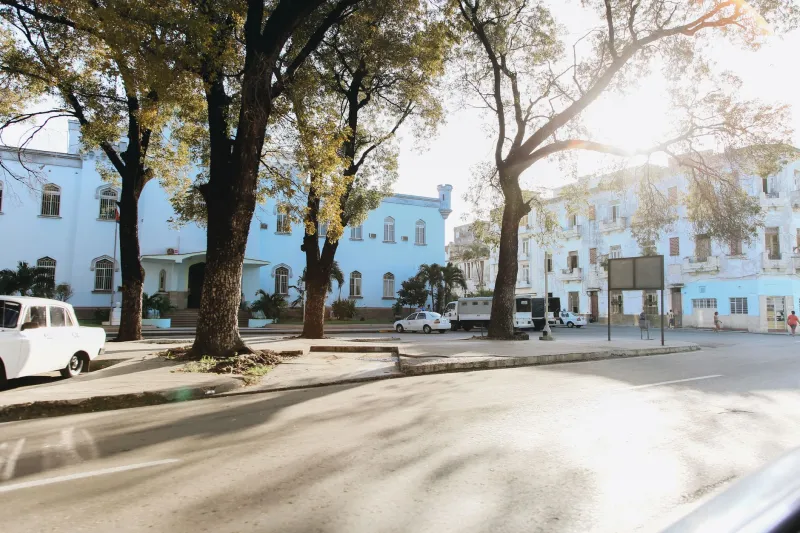
Hotel Quinta Avenida Habana, situated along the elegant corridor of Miramar, has long understood that its guests require more than access. They require context. And nowhere is context more richly rewarded than in the world of Cuban spirits.
The Colonial Root of Every Glass
To appreciate Cuban rum with any seriousness, one must first reckon with its origins. The island's sugar economy, built through centuries of colonial extraction and enslaved labor, produced not only immense wealth but an extraordinary agricultural infrastructure — one that left Cuba with some of the finest sugarcane cultivation traditions in the world. The molasses and guarapo that flow through Cuban rum production carry, whether one acknowledges it or not, the full weight of that history.
Ron cubano is not simply a category of spirit. It is a living document. The light, dry profile that distinguishes it from its Caribbean counterparts — Jamaican rums built on funk, Barbadian expressions rich with tropical fruit — emerged from deliberate craft decisions made over generations. Cuban maestros roneros, the master blenders who oversee production at the island's major distilleries, are among the most respected figures in the spirits world, though they rarely seek the celebrity that their counterparts in Scotch whisky or Cognac routinely attract.
Understanding this lineage does not require a lecture. It requires the right guide, the right room, and the right glass.
What the Tourist Bar Cannot Offer
The famous bars of Old Havana serve an important function. They are theatrical spaces, designed to produce a particular feeling — and they do so with considerable skill. But they are not, by any meaningful measure, rum education.
The bottles behind those bars represent a narrow slice of what Cuba actually produces. The aged expressions, the limited distillery releases, the bottles that circulate only among collectors, private hosts, and those with established relationships inside the industry — these are invisible from a barstool on the Malecón.
Authentic rum appreciation in Cuba happens in smaller rooms. It happens in the private residences of retired maestros who have held onto bottles from decades past. It happens in the production facilities outside Havana, where a knowledgeable guide can arrange a conversation with the blending team rather than a perfunctory factory tour. It happens when someone who understands your level of interest connects you with a collector who has spent thirty years assembling a vertical of aged expressions that have never appeared on a retail shelf.
This is the rum culture that Hotel Quinta Avenida Habana's concierge team has spent years cultivating access to — not as a novelty excursion, but as a legitimate dimension of cultural engagement.
The Architecture of a Private Tasting
A properly arranged private rum tasting in Havana bears little resemblance to the spirits events that proliferate in American cities. There is no branded backdrop, no printed tasting notes, no amplified brand ambassador working the room. What there is, instead, is conversation — often in Spanish, often requiring translation, always worth the effort.
Guests of Hotel Quinta Avenida have been introduced to private collections that include expressions aged beyond fifteen years in barrels that were never destined for export, blends assembled for personal use by distillery insiders, and regional variations that reflect microclimates and production methods specific to particular provinces. Each glass arrives with a story that could not be found in any spirits guide.
The format typically unfolds over two to three hours, with the host — whether a private collector, a retired industry figure, or a working maestro willing to share his knowledge — presenting expressions in a sequence designed to trace an arc. The progression from younger, lighter profiles to complex aged expressions mirrors the broader arc of Cuban rum's evolution, and by the end of an evening, a guest who arrived knowing little has acquired something that cannot be purchased at a duty-free counter.
Distillery Access Beyond the Standard Tour
Cuba's major rum producers do offer official tours, and several are genuinely worthwhile as introductions. But the standard visitor experience, however polished, stops well short of the production spaces where the most interesting decisions are made.
For guests with a serious interest, the hotel's team can facilitate introductions that move past the gift shop and into the working areas of facilities that have been producing rum for over a century. These visits are not available through conventional booking channels. They emerge from relationships — between the hotel and local industry contacts — that have been built over time and maintained with care.
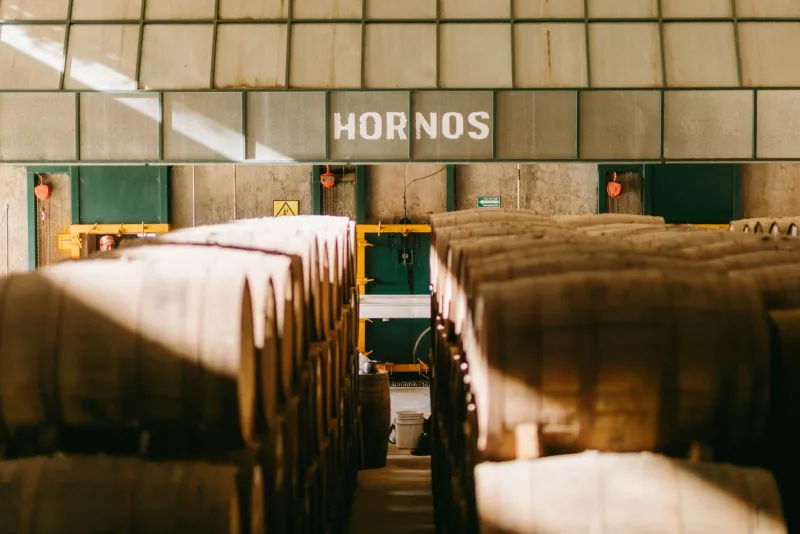
A visit to a production facility of this nature, guided by someone who understands both the technical and historical dimensions of what you are seeing, transforms the experience entirely. The copper pot stills, the aging warehouses where the Caribbean heat accelerates maturation in ways that no European distillery can replicate, the sensory immediacy of standing near barrels that have been resting for a decade — these are encounters that recalibrate one's understanding of what rum actually is.
Rum as Cultural Literacy
Americans traveling to Cuba increasingly arrive with sophisticated cultural intentions. They have read the histories, studied the architecture, followed the music. Rum, for many, remains the last frontier — treated as a pleasure rather than a subject.
The most rewarding approach treats it as both. A traveler who understands the relationship between Cuba's agricultural history and its spirit production, who can speak knowledgeably about the distinction between column-distilled and pot-still expressions, who has sat across from a maestro ronero and listened to him describe the sensory vocabulary he uses to evaluate a blend — that traveler carries something home that no souvenir can approximate.
It is, in the fullest sense, cultural literacy. And like all genuine literacy, it requires more than surface contact. It requires depth, patience, and the right introduction.
Hotel Quinta Avenida Habana exists, in part, to provide precisely that. The boulevard outside its doors has always attracted those who understand the difference between visiting a place and truly encountering it. In the matter of Cuban rum, that distinction has never been more worth pursuing.