Shaken, Stirred, and Steeped in History: Discovering Havana's Mojito Culture
Photo: bartender making mojito Havana Cuba vintage bar, via www.wimarys.com
There is a moment, somewhere between the muddling of fresh mint and the first pour of aged Cuban rum, when the mojito stops being a drink and becomes a conversation. It is a conversation that has been happening in Havana for centuries — between bartenders and philosophers, between travelers and locals, between the past and the present. For guests of Hotel Quinta Avenida Habana, arriving in this city means stepping into that conversation with both feet.
No city in the Western Hemisphere guards its cocktail traditions with quite the same reverence as Havana. And no drink embodies that tradition more completely than the mojito.
A Recipe Rooted in Colonial History
The mojito's origins are, like so much of Cuban culture, layered and contested. One of the most enduring accounts traces the drink to the 16th century, when Sir Francis Drake's crew reportedly concocted an early version using aguardiente — a rough precursor to modern rum — combined with local mint, lime, and sugarcane juice. The resulting mixture was called El Draque, and while it bore little resemblance to the refined cocktail we know today, it planted a seed.
By the 19th century, as Cuba's sugarcane industry flourished and rum production became more sophisticated, the mojito began to take its familiar shape. The substitution of aguardiente with light Cuban rum, the addition of sparkling water, and the careful balance of sweetness and acidity transformed a utilitarian concoction into something approaching an art form. By the time Prohibition drove American travelers south in search of legal libations, Havana's bars were already perfecting a recipe that would captivate the world.
The mojito is, at its core, a study in restraint. Five ingredients — white rum, fresh lime juice, sugar, mint, and soda water — must be balanced with a precision that takes years to master. Too much muddling bruises the mint and introduces bitterness. Too little sugar leaves the lime's acidity untempered. The ice must be crushed, never cubed, to ensure a slow, steady dilution that evolves with each sip. In Havana, these distinctions are taken seriously.
The Maestros Behind the Glass
Havana's cantineros — a term that carries far more dignity and professional weight than the English word "bartender" — are the custodians of this tradition. Many have trained under formal apprenticeships, and the Club de Cantineros de la República de Cuba, founded in 1924, remains one of the oldest professional bartending organizations in the world. To earn certification from this institution is to join a lineage that stretches back generations.
Guests of Hotel Quinta Avenida Habana have access to experiences that connect them directly with these artisans. The hotel's concierge team regularly arranges private mixology sessions with certified cantineros, where the focus is not simply on learning a recipe but on understanding the philosophy behind it. These sessions unfold as intimate conversations about Cuban agricultural history, the nuances of different rum distilleries, and the cultural significance of gathering around a shared drink. Participants leave not just with a new skill, but with a richer understanding of the city itself.
Havana's Iconic Bars and Their Enduring Legacy
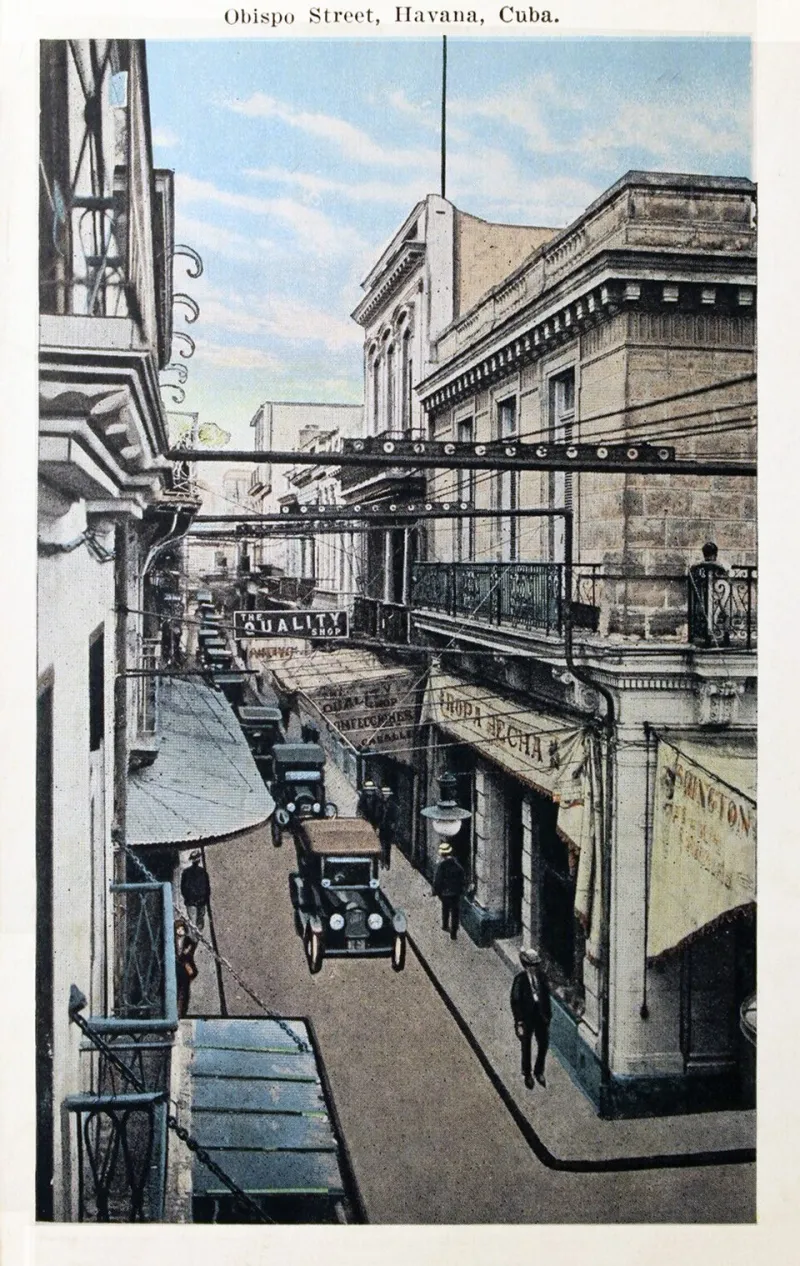
No exploration of Havana's cocktail culture would be complete without a pilgrimage to its legendary drinking establishments. La Bodeguita del Medio, tucked into a narrow alley in Old Havana, is perhaps the most famous mojito bar in the world. Its walls are covered floor to ceiling in the signatures and messages of visitors dating back decades, a physical record of the countless conversations the drink has inspired. The mojitos here are made the traditional way — unhurried, precise, and served without apology for their simplicity.
Yet the most rewarding discoveries often lie beyond the well-worn tourist circuit. Hotel Quinta Avenida's concierge team has cultivated relationships with several neighborhood bars in Miramar and Vedado — the residential districts that flank the hotel — where locals have been gathering for generations. These establishments rarely appear in guidebooks, and their mojitos are made with the casual mastery of people who have never considered doing it any other way. An evening spent at one of these bars, surrounded by Havana's residents rather than its visitors, offers an intimacy with the city that no curated tour can replicate.
The Ritual of the Evening Drink
In Cuba, the mojito is not merely a beverage order. It is a social ritual, an invitation to slow down and engage with the present moment. Havanans tend to drink deliberately, savoring each glass over the course of an unhurried conversation rather than consuming drinks in rapid succession. This pace — so different from the cocktail culture many American travelers are accustomed to — is itself a form of luxury. It is the luxury of time treated as something precious rather than scarce.
Hotel Quinta Avenida Habana embraces this philosophy throughout its hospitality experience. The property's bar program reflects a deep respect for Cuban cocktail traditions, with an emphasis on premium local rums and seasonally sourced ingredients. The hotel's own mixologists are available to guide guests through a tasting journey that moves from classic mojito variations to lesser-known Cuban cocktails such as the Canchánchara and the Presidente — drinks that deserve far wider recognition than they currently receive.
Bringing the Experience Home
For many guests, the mojito becomes a kind of souvenir — not a bottle or a trinket, but a sensory memory that can be recreated in a kitchen in New York, Chicago, or Los Angeles. The key, every cantinero will insist, is the rum. Cuban rum is distinguished by its lighter body and subtle sweetness, a product of the island's unique sugarcane varietals and the careful aging process that its distilleries have refined over centuries. Several premium Cuban rum labels are now available through specialty retailers in the United States, and a bottle brought home from Havana carries with it the full weight of the experience.
But the truest souvenir is the understanding that a great mojito is not about the ingredients alone. It is about the intention behind them — the care, the patience, and the respect for a tradition that has survived revolution, embargo, and the relentless march of cocktail trends. In Havana, every glass is a small act of cultural preservation. And for guests of Hotel Quinta Avenida Habana, every sip is an invitation to be part of that story.