No Stars Required: Inside the Private Kitchens Reshaping Havana's Fine Dining
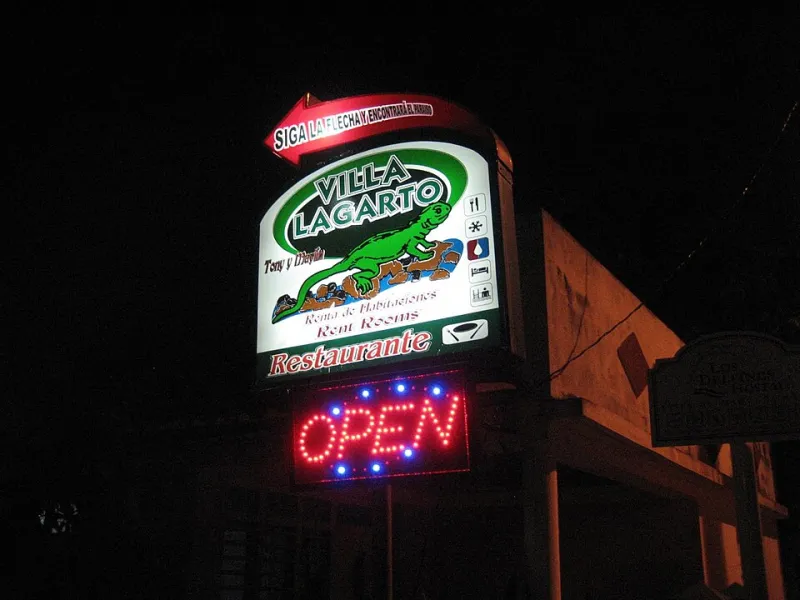
Photo: Joe Ross from Lansing, Michigan, CC BY-SA 2.0, via Wikimedia Commons
The best dinner in Havana often begins with a question you cannot answer. Is the address correct? The street is dark, the door is unmarked, and a staircase climbs past three floors of hanging laundry. Then someone opens the door, and the city's most exclusive dining room turns out to seat twenty-two people, half of whom live upstairs.
The Doorbell Instead of the Podium
Havana's paladares — private restaurants operating out of homes and former homes — have become the most compelling tables in the Caribbean. They are not a marketing conceit and they are not a workaround. They are the product of a particular economy, a particular legal history, and a Cuban instinct for hospitality that long predates both. For the American traveler schooled in the choreography of fine dining — the podium, the tasting menu, the sommelier's rehearsed narrative — a paladar can feel less like a restaurant than like an invitation issued by accident and honored on purpose.
What a Paladar Actually Is
The word is borrowed from a type of fruit tree, and the metaphor is agricultural rather than commercial: something grown in place, on private ground. Paladares were legalized in the 1990s, in the grim aftermath of the loss of Soviet subsidies, when families began feeding strangers in their front rooms in order to eat. The regulations have loosened considerably since then, and the scale has grown. What has not changed is the underlying architecture: a family kitchen, a family dining room, and a family's reputation staked on a single plate.
La Guarida, tucked inside a gracefully collapsing mansion in Centro Habana, is the famous example — the one that appeared in films and, eventually, in the itineraries of visitors who had read about it long before they booked a flight. San Cristóbal, a few blocks away, earned a different sort of attention after hosting a sitting American president in 2016. Neither is the point. The paladares that matter most to a serious diner are usually the ones that have never appeared in a magazine, where the handwritten menu is short because the market was short that morning, and where the owner will tell you, with no particular regret, that the snapper is excellent and the chicken should be avoided.
The Reservation Problem
There is no OpenTable in Havana. There is a phone number that may or may not be answered, an email checked intermittently, a landline that fails in a storm, and — quite often — a person who knows a person. This is the first clarifying fact about dining here: access is arranged, not purchased.
That distinction matters more than it sounds. A reservation secured through a relationship carries obligations on both sides. The house holds the table; you arrive at the hour you were given. In practice, the most reliable route for a visitor is a concierge desk that has spent years in the same neighborhood, keeping standing arrangements with a handful of kitchens rather than a hundred. At Hotel Quinta Avenida Habana, that work is deliberately done by hand and recorded on paper, because a ledger written in ink is a better record of a promise than an inbox full of confirmations.
The Kitchen as Author
Cuba's finest paladar chefs are, almost without exception, self-taught. There is no culinary institute feeding them, no stage in Copenhagen awaiting them, no critic assigning them stars. What they have instead is repetition, memory, and an extraordinary fluency in substitution — the daily discipline of building a dish around what exists rather than what a recipe demands.
That constraint produces a cooking style that is confident and unadorned. A whole fish is grilled and finished with lime and oil. A slow-braised beef arrives in a sauce that took three hours and no shortcuts. Desserts lean on tropical fruit rather than pastry technique. You will not find foam. You will find seasoning calibrated by someone who has cooked the same dish four hundred times and knows precisely when it is right.
Scarcity, Priced Honestly
The economics are unusually transparent. Ingredients are hard to obtain, so menus change rather than pretend. Wine lists are thin or nonexistent, though a private cellar may produce something far better than the list suggests. Prices at the top paladares can rival Miami, which surprises visitors until they consider that every ingredient has been sourced through a supply chain that operates partly on improvisation.
What scarcity does not produce is dishonesty. The best houses will tell you what is not worth ordering. That candor is itself a form of luxury, and it is nearly extinct in cities where menus are designed by committee.
Dining as a Guest, Not a Customer
Service in a great paladar is warm without being performative. Plates are cleared by someone who may also be the person who cooked them. Conversations begin across tables. Nobody hurries you out, because the table is not needed for a second seating — though it may be needed as a bed for someone's cousin by midnight.
For American travelers accustomed to the frictionless anonymity of the luxury restaurant, this can be disorienting and then, quickly, addictive. You are not a transaction. You are a guest who has been vouched for.
Practical Notes Before You Book
- Reserve through a trusted intermediary two to three weeks ahead; confirm again the day before.
- Arrive at the stated hour. Punctuality is read as respect.
- Carry cash in the currency quoted, and confirm which one that is.
- Ask what is best today rather than ordering what you read about last year.
- Tip directly and generously; the staff are the family.
What Remains After the Plate Is Cleared
Michelin has never published a Cuban guide, and the absence is not a tragedy. It has spared Havana the flattening that follows when a hundred kitchens begin cooking for the same inspector. What remains instead is a dining culture organized around reputation rather than ranking, where the finest meal of your trip will likely be in a room that no guidebook has yet named — and where the measure of a great restaurant is simply whether the family upstairs is proud of what came out of their kitchen tonight.