Capital, Conscience, and Cuban Coral Stone: The Quiet American Investment Reshaping Havana's Grandest Addresses

Photo: luxury restored colonial mansion Havana Cuba architecture interior, via i.pinimg.com
There is a particular quality of light in Havana that architects speak about in reverent tones — the way it moves across hand-laid terrazzo floors in the late afternoon, or the manner in which it illuminates the carved limestone facades of Vedado's great mansions as dusk settles over the Malecón. For decades, that light fell on structures slowly surrendering to entropy: cracked cornices, collapsed interior galleries, wrought-iron balustrades consumed by salt air and neglect. Today, an increasing number of those buildings are being recalled to life — and the impetus, in many cases, is arriving quietly from the United States.
The story of American investment in Cuban hospitality is neither simple nor straightforward. It unfolds through layers of regulatory nuance, cultural diplomacy, and a genuine passion for architectural heritage that defies easy categorization. Yet its results are becoming impossible to ignore for anyone who travels to Havana with discerning eyes.
The Architecture of Opportunity
Havana's built environment is, by any measure, extraordinary. The city contains one of the largest concentrations of Art Deco, Baroque, Neoclassical, and mid-century Modernist architecture in the Americas — a consequence of the island's colonial prosperity, its early twentieth-century boom years, and the particular ambitions of a merchant and professional class that built with extravagance and permanence in mind. The Old City alone holds UNESCO World Heritage status. Vedado and Miramar, the residential districts that expanded westward through the early and mid-twentieth century, contain block after block of private estates whose scale and craftsmanship would command extraordinary attention in any other metropolitan context.
What decades of economic constraint could not do was erase the bones of these structures. The coral stone foundations remain sound. The original tile work — imported from Spain, Portugal, and Italy — survives beneath layers of improvised paint. The mahogany interior woodwork, the stained-glass mediopuntos, the soaring double-height reception rooms: all of it waits, with remarkable patience, for the resources that restoration demands.
Those resources, increasingly, are arriving through channels that would have seemed implausible a generation ago.
How the Mechanism Works
US regulations governing economic engagement with Cuba remain complex, and any serious discussion of investment in the island's hospitality sector must acknowledge that complexity honestly. The legal pathways that exist — support for Cuban entrepreneurs, authorized travel categories, cultural exchange frameworks — are narrow but navigable for those with the counsel and commitment to pursue them properly.
What has emerged, in practice, is a sophisticated ecosystem of partnerships. American collectors with deep interests in Latin American art and architecture have found ways to engage with Cuban preservation efforts through cultural foundations, licensed travel enterprises, and direct relationships with the island's independent hospitality operators. Some have contributed expertise: connecting Cuban restoration teams with archival materials, sourcing period-appropriate fixtures through international antique markets, or facilitating the kind of technical knowledge exchange that transforms a well-intentioned project into a genuinely accomplished one.
Others have engaged more directly with the growing network of Cuban entrepreneurs — paladares and casas particulares operators who have, over the past decade, expanded their ambitions dramatically — providing the kind of informal advisory relationships that help translate vision into viable luxury product.
The motivations are rarely purely financial. Collectors who have spent careers acquiring Cuban modernist paintings, mid-century furniture, or pre-revolutionary decorative arts bring to these engagements an almost proprietary attachment to the culture that produced those objects. Funding the restoration of a 1920s Vedado mansion is, for many of them, a natural extension of the stewardship they already exercise over the artifacts they've gathered.
The Standard That Results
The properties emerging from this confluence of Cuban craftsmanship and American cultural investment are setting a new benchmark for what luxury hospitality in Havana can represent. They are not approximations of international hotel standards transplanted to a Cuban context. They are something more interesting: environments in which the specific history of a place — its original owners, its architectural ambitions, its relationship to the neighborhood around it — becomes the organizing principle of the guest experience.
Original tile patterns are restored by artisans who have spent years studying historic Cuban interiors. Furniture is sourced from the island's own mid-century production, supplemented by period-appropriate pieces acquired through international auction houses. The result is a kind of authenticity that no amount of imported luxury goods could manufacture: a sense that the building itself has a memory, and that staying within it is an act of participation in something larger than a single night's accommodation.
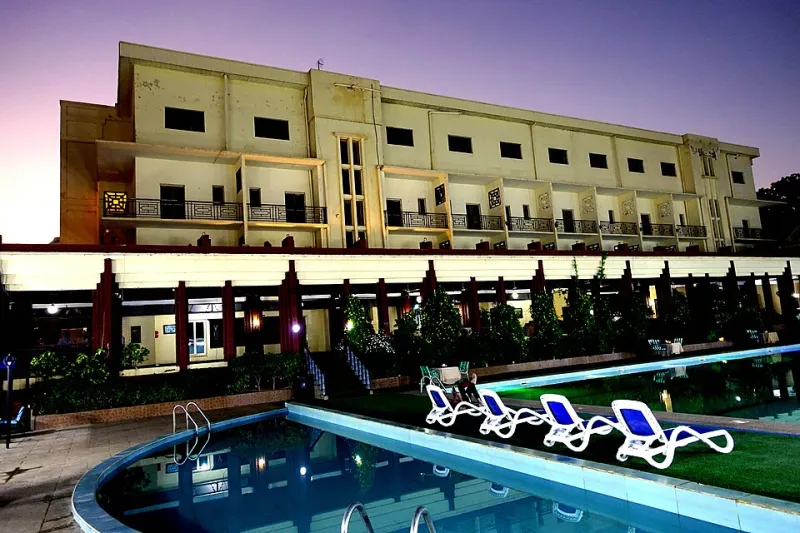
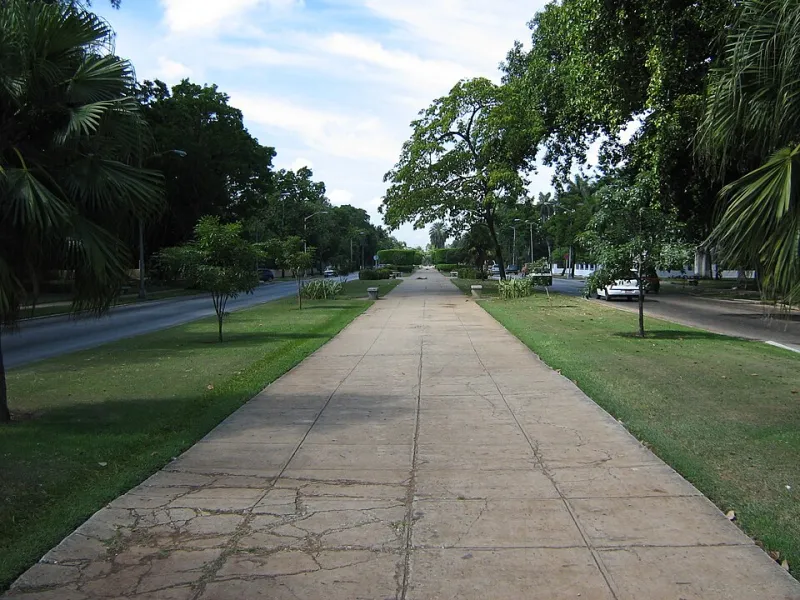
Hotel Quinta Avenida Habana embodies precisely this philosophy. Positioned along one of Havana's most architecturally significant corridors — a boulevard whose history encompasses the full arc of the city's ambitions, from colonial grandeur through revolutionary transformation to contemporary reinvention — the property represents the kind of careful, considered restoration that American cultural investment, at its most thoughtful, makes possible. Every restored detail, every preserved original element, every considered design decision reflects a commitment to honoring the building's history while meeting the expectations of the most discerning contemporary traveler.
Stewardship as a Travel Philosophy
For the American traveler who chooses to engage with this landscape, something more than a hotel stay is on offer. To book a room in a carefully restored Havana property is to participate, however indirectly, in an act of cultural preservation that has genuine consequence. The skills of the restoration artisans are sustained. The architectural knowledge embedded in these buildings is documented and transmitted. The neighborhoods in which these properties sit benefit from the attention and investment that follows serious hospitality.
This is what the most sophisticated luxury travelers have come to understand: that where they choose to stay is itself a statement about what they value. A property that has been restored with integrity, that employs local craftspeople, that treats its architectural inheritance as an asset rather than an inconvenience — that property is doing something that a generic international hotel, however lavishly appointed, simply cannot replicate.
The collectors and philanthropists arriving quietly from American cities to engage with Havana's restoration economy understand this instinctively. They have spent careers learning to recognize quality, to distinguish the authentic from the approximate, to understand that the most valuable things are often the ones that took the longest to make and would be the most difficult to replace.
Havana's coral stone and hand-laid tile are, in that sense, entirely legible to them.
An Invitation to Witness the Result
The restoration movement reshaping Havana's finest addresses is still in its early chapters. The scale of what remains to be done — the number of extraordinary buildings still awaiting the resources and attention they deserve — is humbling. But the direction of travel is unmistakable, and the results already achieved are extraordinary.
Hotel Quinta Avenida Habana invites you to experience that achievement directly. To walk its restored corridors, to rest in rooms where the original architecture has been honored rather than obscured, is to understand what this cross-cultural preservation effort is ultimately about: not investment returns or geopolitical positioning, but the simple, profound act of ensuring that beauty endures.